
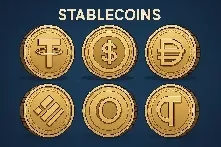

(A Strong Trigger for the Next Crypto Bull Run?)

Stablecoins have become the invisible backbone of the cryptocurrency market. They connect the traditional financial world with the decentralized world of blockchain. Recently, CoinFund’s Managing Partner David Pakman shared a bold view — that a growing stablecoins supply, potentially reaching $1 trillion, could ignite the next major crypto bull run. But how could this milestone reshape the market? Let’s break it down in simple terms.
Understanding Stablecoins: The Foundation of Crypto Liquidity
Stablecoins are digital currencies created to stay stable. Unlike Bitcoin or Ethereum, their value doesn’t swing wildly. Most are pegged to real-world assets like the US Dollar (USD), Euro (EUR), or gold. This makes them a safe and predictable medium for transactions, trading, and holding funds.
The growing stablecoins supply reflects how these assets have evolved into the primary source of liquidity in crypto markets. When traders move in and out of positions, they often use stablecoins instead of cash. That’s why stablecoins act as the bridge — the connecting thread between crypto volatility and real-world stability.
Types of Stablecoins
Fiat-Collateralized Stablecoins
These are the most common types. They are backed by traditional currencies stored in banks. Popular examples include Tether (USDT), USD Coin (USDC), and Binance USD (BUSD). Each coin is supposed to be supported by real reserves, ensuring that one coin equals one dollar.
Crypto-Collateralized Stablecoins
Coins like DAI use other cryptocurrencies as collateral. They maintain value through over-collateralization. That means users deposit more crypto value than the stablecoin they mint. It’s a clever design that relies on transparency and smart contracts rather than banks.
Algorithmic Stablecoins
These are the most experimental. They use algorithms and supply adjustments to maintain their peg. The infamous example, Terra’s UST, showed how fragile this model can be when trust collapses. Despite that, innovation continues in this category with improved models emerging.
The growing stablecoins supply across all categories shows investor confidence in digital assets as a legitimate financial instrument. It’s no longer just about trading — it’s about building a reliable financial layer on blockchain.
The Rising Role of Stablecoins in the Crypto Economy
The journey from a few billion dollars to over $1 trillion in stablecoin supply represents massive trust and adoption. Every time stablecoin supply grows, it means more liquidity flows into the crypto economy. That liquidity is what keeps exchanges running, DeFi protocols active, and trading pairs healthy.
In simple terms, the growing stablecoins supply means there’s more money waiting to be used within the system. When stablecoin balances rise on exchanges, traders are usually preparing for action — often a bullish signal.
Why $1 Trillion Matters
Reaching a $1 trillion stablecoin supply wouldn’t just be symbolic. It would signal that the crypto ecosystem has achieved a deep integration with mainstream finance. Think of it like this: every stablecoin dollar is a potential fuel cell for new investments, staking, or DeFi activity.
The more stablecoins in circulation, the easier it becomes to move capital quickly between opportunities. For institutional investors, that’s a sign of maturity. For retail investors, it means faster, cheaper, and more flexible trading options.
A growing stablecoins supply also points to growing confidence. It shows that people trust the underlying systems — audits, regulations, and blockchain transparency — that keep these coins stable.
Stablecoins as a Liquidity Engine for the Market
Liquidity is the lifeblood of any financial system. In crypto, liquidity is measured by how easily and quickly assets can be traded without impacting prices too much. Stablecoins provide that liquidity cushion.
When markets turn volatile, traders often move their funds into stablecoins to wait out the storm. This behavior keeps capital inside the ecosystem rather than exiting into fiat. The growing stablecoins supply ensures that money doesn’t leave crypto entirely — it just takes a temporary pause.
That pause is crucial. When confidence returns, the same liquidity flows back into assets like Bitcoin and Ethereum, triggering price surges. So, a growing pool of stablecoins means a stronger base for future rallies.
Stablecoins in DeFi and Yield Markets
Stablecoins aren’t just sitting idle in wallets. They power the DeFi (Decentralized Finance) world. Users stake them, lend them, and borrow against them. Platforms like Aave, Curve, and Compound rely heavily on stablecoins to offer consistent returns and maintain balance in lending pools.

The growing stablecoins supply strengthens DeFi because it provides a steady stream of capital for borrowing and lending. It reduces volatility in interest rates and gives investors more predictable yields.
Moreover, stablecoins have become the preferred medium for cross-border payments. Businesses and freelancers use them to avoid high bank fees and long settlement times. This practical utility adds real-world value, reinforcing the crypto economy.
Institutional Interest and Regulatory Clarity
Institutions are watching stablecoins closely. They offer a way to engage with digital assets without dealing with extreme volatility. Companies like PayPal and Circle have already launched or supported their own stablecoins, showing growing mainstream adoption.
A growing stablecoins supply indicates that more institutions are entering the market. They see stablecoins as both a safe entry point and a way to modernize payments. This is especially true as governments worldwide work on regulatory frameworks for stablecoins.
Once clear regulations are established, large financial institutions and even governments could increase their use of blockchain-based settlements. That’s when the $1 trillion mark could trigger exponential growth in trading, lending, and investment — the foundation of a potential bull run.
How Stablecoins Can Spark the Next Bull Run
So, can stablecoins really drive the next bull run? Quite possibly, yes. When stablecoin reserves grow, it means fresh capital is entering or being parked in crypto. This liquidity often flows into riskier assets once market confidence rises.
Historically, large spikes in stablecoin supply have preceded major market upswings. That’s because traders use them as a staging ground before buying cryptocurrencies. With the growing stablecoins supply, the next wave of investment could arrive faster and stronger than before.
Furthermore, the rise of real-world asset tokenization — like tokenized bonds, real estate, and treasury bills — will deepen the connection between stablecoins and traditional finance. That bridge will attract even more capital into blockchain ecosystems, setting the stage for another market boom.
The Bigger Picture
The growing stablecoins supply is more than just a number. It reflects trust, adoption, and innovation. It shows how digital money is evolving to complement global finance rather than compete with it.
As blockchain infrastructure improves and regulation becomes clearer, stablecoins will likely dominate digital transactions and DeFi activity. And if the supply truly reaches $1 trillion, it could act as a powerful catalyst — not only for prices but for the credibility of the entire crypto market.
In a world where digital and traditional finance are merging, stablecoins stand as the silent stabilizers. Their growth might not grab headlines like Bitcoin’s price, but make no mistake — the growing stablecoins supply is quietly shaping the future of the next bull run.
Stablecoins and Market Liquidity: A Direct Correlation
Liquidity is the unseen heartbeat of every financial market. It’s what keeps trading smooth, prices fair, and investors confident. In the world of cryptocurrency, stablecoins have emerged as the engines that power this liquidity. Their presence allows billions of dollars to move quickly between assets, exchanges, and protocols — all without friction. When we see a growing stablecoins supply, it’s more than just a statistic; it’s a signal that the crypto economy is preparing for movement.
Understanding the Role of Liquidity in Crypto
Liquidity simply means how easily an asset can be bought or sold without drastically changing its price. In traditional finance, liquidity is provided by banks, brokers, and institutional investors. In crypto, that role is filled by stablecoins.
When stablecoins like USDT, USDC, or DAI flood the market, traders get the flexibility to shift capital instantly. This helps them react quickly to price changes and opportunities. A growing stablecoins supply ensures that even during times of volatility, there’s always enough capital to keep markets alive and active.
Unlike fiat currency, stablecoins move across exchanges 24/7. There are no bank holidays or transaction delays. This constant liquidity loop is what makes them the backbone of modern crypto trading.
How Stablecoins Enhance Market Stability
Stablecoins act as both a buffer and a bridge. During bullish periods, traders use them to move capital into assets like Bitcoin and Ethereum. In bearish times, they park their funds in stablecoins to avoid losses — but they rarely exit the ecosystem entirely.
This means that a growing stablecoins supply keeps money circulating within crypto rather than leaving for traditional markets. The effect is simple: prices recover faster, and market activity stays high.
More liquidity also reduces slippage — the difference between expected and actual trade prices. When more stablecoins are available, large trades can happen without disrupting market prices, which helps build investor trust and institutional participation.
Historical Trends Linking Stablecoin Supply to Bull Runs
Crypto history offers some fascinating lessons. Every major bull run has followed a noticeable rise in stablecoin supply. The relationship between the growing stablecoins supply and market growth is not just coincidence — it’s a pattern.
The 2020 Surge: From $20 Billion to a New Era
Back in 2020, the total stablecoin supply crossed $20 billion for the first time. This was a turning point. Liquidity poured into the market as investors sought safety during global economic uncertainty. Within months, Bitcoin soared from around $10,000 to over $30,000.
The growing stablecoins supply during that period provided traders with dry powder — money waiting on the sidelines, ready to jump into crypto assets. Once market sentiment turned positive, those funds flowed back into Bitcoin, Ethereum, and altcoins, fueling one of the fastest recoveries in digital asset history.
The 2021 Boom: $100 Billion and Beyond
In 2021, the crypto world experienced another surge. The stablecoin supply exceeded $100 billion, led by Tether (USDT) and USD Coin (USDC). This was also the year Bitcoin hit its all-time high of $69,000.
Analysts noticed a clear correlation: as stablecoin supply expanded, market valuations climbed. The growing stablecoins supply acted as a liquidity signal — an indicator that fresh money was entering the ecosystem.
This liquidity supported not just trading but also the explosive growth of DeFi (Decentralized Finance), NFTs, and yield farming. Every dollar of stablecoin brought with it opportunities to lend, borrow, and earn — creating a cycle of economic expansion within the blockchain world.
Looking Ahead: The $1 Trillion Speculation
Now, experts are eyeing the next big milestone — a $1 trillion stablecoin supply. If history is any guide, this could be the ignition point for the next bull run. Why? Because a larger supply of stablecoins means more idle capital, more trading flexibility, and a deeper trust in the ecosystem.
The growing stablecoins supply reflects two things: investor confidence and real-world adoption. As more people use stablecoins for payments, remittances, and DeFi applications, the overall liquidity base strengthens. That liquidity could spill over into crypto assets once optimism returns, just like it did in 2020 and 2021.
The Mechanism Behind the Correlation
So, how exactly does an increase in stablecoin supply push markets upward? The logic is straightforward but powerful.
When new stablecoins are issued, they typically represent fresh cash entering the market. These coins are minted because users deposit dollars or other assets with the issuer. This process injects real capital into the crypto ecosystem.
A growing stablecoins supply means more “on-chain dollars” ready to be deployed. As traders convert these coins into cryptocurrencies, buying pressure rises. That increased demand often pushes prices up — the classic beginning of a bull market.
In essence, stablecoins act as dry tinder. When market sentiment improves, they ignite the spark that fuels large-scale rallies.
Institutional Liquidity and the New Financial Layer
In recent years, institutional investors have entered crypto cautiously. They prefer stability, transparency, and regulation — three qualities that well-managed stablecoins can offer. Major players like BlackRock, Visa, and PayPal are now exploring or integrating stablecoin-based payment systems.
This institutional interest adds another layer to the growing stablecoins supply. It’s not just retail traders minting tokens anymore — it’s corporations, fintech firms, and even banks using stablecoins for settlements and treasury operations.
That’s a major shift. It means stablecoins are no longer just a tool for crypto exchanges; they’re becoming a building block for global finance. When institutions join the game, liquidity multiplies, and markets mature.
The Ripple Effect Across DeFi and Exchanges
DeFi platforms thrive on liquidity. The more stablecoins they have, the more users can borrow, lend, and stake. A growing stablecoins supply therefore feeds the entire decentralized ecosystem.
When liquidity pools are full, interest rates stay stable, and protocols can expand without risk of imbalance. This attracts more users, who in turn bring more capital, fueling a cycle of growth.
On centralized exchanges, stablecoins are the default trading pairs for almost every cryptocurrency. When traders hold large amounts of USDT or USDC, it’s often a sign that they’re preparing to re-enter the market. This reserve capital acts like pressure building beneath the surface — waiting for the right moment to explode upward.
The Psychological Aspect of Liquidity
There’s also a psychological element at play. A growing stablecoins supply sends a message: confidence is returning. Investors feel safer when there’s ample liquidity because they know they can exit trades without massive losses.
When fear subsides, greed takes over — and that’s when bull markets start. The more stablecoins in circulation, the easier it becomes for new investors to enter without pushing prices too fast. This gradual, steady flow builds sustainable rallies rather than short-lived spikes.
A Market Preparing for Movement
Today, the total stablecoin supply hovers around historic highs, and analysts are watching closely. The growing stablecoins supply indicates that crypto is quietly building momentum beneath the surface. Capital is moving in, but waiting for the perfect storm of regulatory clarity, lower interest rates, and renewed investor optimism.
If the $1 trillion mark is reached, the liquidity foundation will be stronger than ever. From decentralized apps to centralized exchanges, the ripple effects will touch every corner of the crypto world.
When liquidity deepens, innovation accelerates, confidence rises, and prices follow. And in that story, stablecoins are not just supporting characters — they’re the lead actors driving the plot forward.
The growing stablecoins supply is the pulse that beats beneath every chart, trade, and protocol. It tells a silent story — one of readiness, confidence, and anticipation. History has shown us what happens when liquidity surges. The next chapter might just begin with a trillion-dollar trigger.
Institutional Adoption and the Role of Stablecoins
The financial world is changing faster than ever, and at the center of this transformation are stablecoins — digital assets that blend the dependability of traditional finance with the innovation of blockchain. What began as a tool for crypto traders has now become a key financial instrument attracting banks, fintech giants, and global corporations. With institutions like PayPal, Visa, and Tesla engaging in the crypto space, the growing stablecoins supply signals something deeper — a structural shift toward blockchain-powered finance.
Why Institutions Are Turning to Stablecoins
Institutions thrive on stability, liquidity, and efficiency. For years, these three elements were missing from the volatile world of crypto. Then came stablecoins — assets designed to hold their value while allowing seamless movement across borders.
A growing stablecoins supply means that financial institutions now have a reliable bridge between fiat and digital assets. Unlike traditional banking transfers that can take days, stablecoin transactions settle in seconds. This speed, combined with low fees and global accessibility, makes them an irresistible choice for modern finance.
Banks, hedge funds, and payment processors are realizing that blockchain is not a competitor but a complementary infrastructure — one that can reduce costs, increase transparency, and modernize operations.
The Early Movers: Corporate Pioneers in Crypto
Big names like Tesla, MicroStrategy, and Square (now Block Inc.) were among the first to integrate digital assets into their balance sheets. While these companies initially focused on Bitcoin, the real shift is happening with stablecoins.
PayPal’s PYUSD, launched in 2023, was a landmark move. It made stablecoin payments mainstream by allowing millions of users to send, receive, and convert digital dollars directly within PayPal’s ecosystem. Similarly, Visa has begun settling payments using USDC, showing that stablecoins can serve as a backend currency for global financial systems.
These developments point to a new phase — one where a growing stablecoins supply underpins not just trading activity, but also institutional-grade financial operations.
How Institutional Adoption Could Drive the Next Bull Run
Institutional adoption has always been a catalyst for growth in financial markets. In crypto, the presence of large, regulated players brings trust, liquidity, and long-term capital — three ingredients essential for a sustained bull run. Stablecoins are becoming the foundation for this shift.
Cross-Border Transactions: The Global Advantage
Cross-border payments are notoriously slow and expensive. Traditional systems like SWIFT involve multiple intermediaries, resulting in delays and high fees. Stablecoins simplify this process dramatically.
With stablecoins, money can move across continents in seconds. A company in the U.S. can send USDC to a supplier in India or Europe instantly — no banks, no middlemen, no waiting. This efficiency is driving institutions toward blockchain-based solutions.
As the growing stablecoins supply increases, cross-border settlements are becoming faster and more accessible. The more liquidity these coins provide, the more financial institutions can rely on them for real-world transactions. Eventually, the demand for crypto assets connected to these payment systems naturally increases — setting the stage for market expansion.
Settlements and Remittances: Instant and Transparent
Institutional use of stablecoins extends beyond payments. One of their biggest advantages lies in instant settlements. In traditional finance, clearing and settlement processes can take two to three business days. Stablecoins reduce that timeline to a few seconds, saving billions in operational costs.
Companies handling international payrolls, remittances, and supplier payments are beginning to adopt stablecoins for their transparency and efficiency. For example, remittance platforms can process thousands of cross-border payments at a fraction of the usual cost.
A growing stablecoins supply ensures that there’s enough liquidity to handle these institutional-scale operations. It also reduces dependency on slow and expensive intermediaries. The result? More institutions adopting blockchain solutions, more stablecoins circulating, and more liquidity entering the market — all essential ingredients for a potential bull run.
Yield Farming and DeFi Opportunities for Institutions
DeFi (Decentralized Finance) was once considered a playground for retail traders. But as it matured, institutions began to recognize its potential. Today, DeFi protocols powered by stablecoins are attracting attention from professional investors and corporate treasuries seeking better returns than traditional money markets.
Institutions can lend stablecoins on platforms like Aave, Compound, or MakerDAO and earn passive yields. This decentralized approach to yield generation offers flexibility and transparency, with returns often higher than bank interest rates.
The growing stablecoins supply makes DeFi more stable and reliable, reducing volatility in lending and borrowing rates. As liquidity deepens, institutions find it safer to participate — further reinforcing the market’s liquidity cycle.
Stablecoins as a Regulatory Gateway
One of the main hurdles for institutional adoption has always been regulation. Financial institutions need clear rules before they commit large capital to any emerging asset class. Interestingly, stablecoins are now paving the way for that clarity.
Governments and regulatory bodies across the globe are crafting frameworks specifically for stablecoins. The European Union’s MiCA regulation, the U.S. Stablecoin Act, and similar laws in Singapore and Japan are establishing ground rules for issuance, reserves, and audits.
This is great news for the growing stablecoins supply. As regulations tighten, trust increases. Institutions can then confidently integrate stablecoins into their workflows, knowing they are legally protected and compliant.
With regulation comes legitimacy — and with legitimacy comes a surge of capital from traditional finance. That capital often finds its way into crypto markets, igniting new waves of demand and price appreciation.
The Integration of Stablecoins with Payment Networks
Beyond trading and DeFi, stablecoins are quietly revolutionizing payment infrastructure. Major payment processors are experimenting with blockchain to make transactions faster and cheaper.
Visa now uses USDC on the Solana and Ethereum blockchains for real-time settlements. Mastercard is exploring similar systems. These integrations prove that stablecoins can coexist with — and even enhance — the traditional payment ecosystem.
The growing stablecoins supply ensures there’s enough liquidity to sustain such large-scale payment systems. Every transaction settled with stablecoins reinforces their role in global finance and increases institutional confidence in crypto adoption.
Institutional Custody and Treasury Management
As more corporations hold digital assets, the need for secure custody solutions grows. Banks and fintech firms are stepping in to provide institutional-grade custody for stablecoins and cryptocurrencies alike.
Firms like BNY Mellon, Fidelity Digital Assets, and Anchorage now offer secure storage and compliance services for digital assets. This infrastructure encourages companies to allocate a portion of their treasuries in stablecoins for liquidity management and quick transfers.
The growing stablecoins supply plays a direct role here — the more available liquidity, the easier it becomes for corporations to use digital dollars as operational funds. Over time, this could transform how global companies manage their working capital.
A New Era of Institutional Confidence
Every financial revolution starts with a shift in confidence. Institutions once skeptical of crypto are now participating because stablecoins have proven reliability. They offer the transparency of blockchain without the volatility of most cryptocurrencies.
A growing stablecoins supply reflects that rising confidence. It shows that institutions not only trust the concept but are actively investing in it. The more they participate, the stronger the foundation for the next wave of growth.
As institutions embed stablecoins into their operations — from cross-border settlements to treasury management — the entire ecosystem benefits. More liquidity flows in, innovation speeds up, and the crypto market becomes more stable and mature.
The growing stablecoins supply is quietly transforming the financial landscape. It’s not just about traders anymore — it’s about corporations, banks, and governments recognizing that the future of money is programmable, borderless, and digital. The next bull run may not be driven by hype but by institutional adoption grounded in stablecoin stability.
CBDCs vs. Stablecoins: Competing for Dominance
The global financial landscape is witnessing a silent revolution. Governments and private innovators are both racing to define the future of digital money. On one side, we have Central Bank Digital Currencies (CBDCs) — state-backed digital versions of fiat currency. On the other, there are stablecoins, privately issued digital assets that have already carved out a major role in the cryptocurrency ecosystem. As more countries experiment with CBDCs, the competition between these two systems is heating up. At the same time, a growing stablecoins supply continues to strengthen the private side of the digital money race.
Understanding CBDCs: The State’s Answer to Digital Money
CBDCs are government-issued digital currencies that represent national fiat money in electronic form. Central banks control them directly, ensuring that every digital unit is backed by sovereign authority. The idea behind CBDCs is to make payments faster, cheaper, and more secure while maintaining regulatory oversight.
Unlike cryptocurrencies, CBDCs are not decentralized. They operate within centralized systems, often built on permissioned blockchains. For example, China’s Digital Yuan (e-CNY) and the European Union’s Digital Euro are designed to offer efficiency while keeping monetary control firmly in the hands of central banks.
Still, while CBDCs promise security and stability, their centralized nature limits flexibility and privacy. In contrast, the growing stablecoins supply reflects a demand for financial freedom, innovation, and user control — features that CBDCs struggle to match.
Stablecoins: Private Innovation Driving the Digital Economy
Stablecoins were born from the crypto ecosystem, not government institutions. Their main goal was to provide stability in a world of volatile digital assets. Backed by fiat currencies like the U.S. Dollar or commodities such as gold, stablecoins allow traders to park funds safely while staying within blockchain networks.
The growing stablecoins supply is proof of their success. From a few million dollars in circulation in 2017 to hundreds of billions today, stablecoins have become indispensable to digital finance. They power decentralized exchanges (DEXs), DeFi protocols, remittances, and even corporate payments.
Unlike CBDCs, stablecoins are borderless. They can be sent across countries in seconds, bypassing traditional banking hurdles. This flexibility makes them attractive not just for traders but also for businesses and individuals seeking fast, low-cost financial solutions.
The Core Differences Between CBDCs and Stablecoins
While both CBDCs and stablecoins aim to modernize money, they differ fundamentally in design, purpose, and governance.
1. Issuance and Control
CBDCs are issued by central banks and fully controlled by governments. Every transaction can be monitored and, if necessary, reversed. Stablecoins, however, are issued by private companies like Tether (USDT), Circle (USDC), or through decentralized protocols such as MakerDAO (DAI). This private issuance model gives users more autonomy and flexibility.
2. Transparency and Privacy
Stablecoins run on public blockchains like Ethereum or Solana, where transactions are visible but pseudonymous. CBDCs, on the other hand, may require full identity verification and transaction tracking. This difference highlights the tension between financial freedom and government control.
3. Use Cases and Reach
CBDCs are designed mainly for domestic payments and national monetary policy. Stablecoins serve global audiences, powering everything from trading to yield farming. A growing stablecoins supply extends across borders, while CBDCs remain tied to specific jurisdictions.
4. Technological Flexibility
Stablecoins evolve quickly because they’re driven by market demand. Developers constantly innovate new models for collateralization, interoperability, and scalability. CBDCs move at the pace of regulation — slower, cautious, and often constrained by bureaucracy.
Why CBDCs Are Gaining Global Attention
More than 130 countries are exploring or developing CBDCs. For governments, these digital currencies promise greater control over money flow and reduced dependency on private stablecoins. They can also help modernize outdated payment systems, curb fraud, and reduce transaction costs.
CBDCs are also seen as tools for financial inclusion, especially in developing nations where many citizens lack access to traditional banking. By using mobile-based CBDCs, governments can bring millions of people into the formal financial system.
However, the growing stablecoins supply shows that users already have an alternative that delivers similar benefits — and with greater freedom. People are choosing convenience, accessibility, and decentralization over state control.
The Privacy Debate: Freedom vs. Oversight
One of the most debated aspects of CBDCs is privacy. While they promise transparency and traceability, they also give governments the ability to monitor every transaction. This could be beneficial in fighting money laundering and terrorism financing, but it also raises concerns about financial surveillance.
Stablecoins, by contrast, offer a degree of privacy. They balance transparency with user autonomy. The growing stablecoins supply indicates that people value this balance — they want security, but not at the expense of personal freedom.
In many ways, the privacy issue could determine which model wins the long-term adoption race.
Can CBDCs Replace Stablecoins?
Theoretically, yes — CBDCs could replace stablecoins if they offer similar functionality with more trust and government backing. But in practice, that’s unlikely to happen soon. Stablecoins have a massive head start. They already dominate decentralized finance, crypto trading, and cross-border settlements.
The growing stablecoins supply represents an established ecosystem that’s hard to displace. Even if CBDCs become widespread, many users and institutions will continue to prefer the flexibility, interoperability, and programmability of stablecoins.
Additionally, stablecoins are evolving faster than most government projects. Private issuers and blockchain developers are building new compliance features, integrating identity verification, and improving transparency — all while maintaining decentralization.
The Possibility of Coexistence
Rather than replacing each other, CBDCs and stablecoins might coexist. Governments could focus on providing stable, regulated digital money for domestic use, while private stablecoins handle international and decentralized applications.
For example, a business might use a CBDC to pay local taxes but rely on stablecoins for international supplier payments. This hybrid future seems more realistic, especially given the growing stablecoins supply and its deep integration across financial networks.
Such coexistence would bring the best of both worlds — regulatory stability from CBDCs and innovation from private stablecoins.
The Geopolitical Angle: Dollar Dominance and Global Strategy
There’s also a geopolitical dimension to this competition. The U.S. dollar dominates global trade, and dollar-pegged stablecoins like USDT and USDC extend that dominance into the digital realm. In contrast, countries launching CBDCs hope to strengthen their own currencies’ influence.
China’s Digital Yuan is a prime example. It aims to reduce reliance on the U.S. dollar and promote cross-border trade in Asia. Meanwhile, the growing stablecoins supply — largely denominated in dollars — reinforces America’s global economic leadership through private markets.
This creates a unique situation: while governments are developing CBDCs to assert control, private stablecoins are already serving as unofficial digital dollars across the world.
The Role of Regulation in Shaping the Future
Regulation will play a decisive role in determining whether CBDCs or stablecoins dominate. Governments may impose strict rules on stablecoin reserves, audits, and issuance to ensure consumer safety.
At the same time, too much regulation could stifle innovation. A balanced approach could allow both systems to flourish. The growing stablecoins supply indicates that clear and fair regulation can boost adoption rather than hinder it. When users trust that stablecoins are well-regulated, they’re more likely to use them for everyday payments, trading, and savings.
Innovation as the Deciding Factor
Ultimately, the competition between CBDCs and stablecoins may come down to innovation. Private companies tend to move faster, integrating new technologies like AI-based risk management, tokenized real-world assets, and blockchain interoperability.
The growing stablecoins supply is not just a number — it’s evidence of ongoing innovation. Developers are creating multi-chain stablecoins, decentralized collateral systems, and fully transparent auditing mechanisms. Governments, meanwhile, are still testing pilot programs and designing frameworks.
Innovation favors the agile, and in this race, stablecoins currently hold that advantage.
The growing stablecoins supply tells a powerful story — one of user trust, global liquidity, and unstoppable innovation. While CBDCs may bring stability and government assurance, stablecoins represent freedom, flexibility, and creativity. The future of digital money may not belong exclusively to either side, but the balance of power is already shifting toward those who adapt fastest in this digital revolution.
The Role of Stablecoins in DeFi and Web3
The world of digital finance is evolving at lightning speed. Decentralized Finance (DeFi) and Web3 are reshaping how people interact with money, applications, and even ownership on the internet. At the core of this transformation lies a quiet hero — stablecoins. These digital assets have become the bridge between traditional finance and blockchain-based ecosystems, making them indispensable in today’s digital economy.
With a growing stablecoins supply, DeFi and Web3 platforms are experiencing unprecedented growth, fueling innovation, liquidity, and financial inclusion like never before.
Understanding the Foundation: What Are Stablecoins?
Stablecoins are cryptocurrencies designed to maintain a stable value, typically pegged to a fiat currency such as the U.S. dollar. They solve one of the biggest challenges in crypto — price volatility.
By keeping their value steady, stablecoins allow users to interact with blockchain technology without the fear of sudden losses caused by market swings. This stability is exactly why they’ve become the backbone of DeFi and Web3 ecosystems.
As the growing stablecoins supply surpasses hundreds of billions of dollars, it’s clear that their role is not just supportive but foundational in creating a trusted financial layer within decentralized systems.
The Rise of DeFi: A Revolution Fueled by Stablecoins
DeFi refers to financial applications built on blockchain networks that operate without intermediaries like banks. From lending and borrowing to trading and insurance, everything happens through smart contracts — automated programs that execute transactions transparently.
But here’s the catch: for DeFi to function efficiently, it needs stable assets. That’s where stablecoins come in. They provide the liquidity and stability required to power these decentralized systems.
Thanks to the growing stablecoins supply, DeFi has exploded in scale. Platforms like Aave, Compound, and MakerDAO rely heavily on stablecoins to facilitate lending markets and maintain price stability. Without them, the entire DeFi structure would be vulnerable to extreme volatility.
Lending and Borrowing: The Heartbeat of DeFi
One of the most popular use cases of stablecoins in DeFi is lending and borrowing. Users can deposit stablecoins like USDT, USDC, or DAI into decentralized lending platforms and earn interest on their holdings.
Borrowers, on the other hand, can use their crypto assets as collateral to borrow stablecoins without selling their tokens. This creates a powerful ecosystem where users can retain ownership of their assets while unlocking liquidity.
The growing stablecoins supply has made this model sustainable, ensuring that there’s always enough liquidity for borrowers and lenders. It’s like having a bank that never closes, operates globally, and doesn’t need permission to use.
Liquidity Pools and DEXs: Powering the Decentralized Economy
Decentralized exchanges (DEXs) such as Uniswap, SushiSwap, and Curve depend on liquidity pools — collections of tokens locked by users to facilitate trading.
Stablecoins play a critical role here by providing consistent pricing and deep liquidity. Traders can swap assets without the wild price swings typical of crypto markets. For example, trading between USDC and DAI remains almost seamless because both are designed to hold steady against the U.S. dollar.
This system wouldn’t work without the growing stablecoins supply, which keeps liquidity pools balanced and efficient. The more stablecoins in circulation, the smoother and more reliable decentralized trading becomes.
Web3: The Internet of Ownership and Stable Value
Web3 represents the next generation of the internet — an ecosystem built around decentralization, user ownership, and tokenized assets. From NFTs and gaming to decentralized social media, Web3 applications rely on blockchain for transparency and user empowerment.
But just like DeFi, Web3 needs a reliable medium of exchange. Cryptocurrencies like Bitcoin or Ethereum are too volatile for daily use. That’s where stablecoins shine.
They act as the default currency of Web3, allowing users to buy, sell, and trade digital goods without worrying about unpredictable price movements. As the growing stablecoins supply expands, it provides the necessary stability for creators, gamers, and developers to thrive in the decentralized web.
Smart Contract Settlements: Speed and Security in Every Transaction
In Web3, smart contracts handle everything — from digital art royalties to automated payments in decentralized apps. Stablecoins make these settlements instant and predictable.
When a Web3 marketplace sells an NFT or a user subscribes to a decentralized platform, payments in stablecoins ensure fairness and accuracy. The value doesn’t change between initiation and settlement, which is crucial for trust in a decentralized environment.
This stable foundation is reinforced by the growing stablecoins supply, ensuring liquidity for instant and transparent payments across Web3 platforms.
Financial Inclusion: Empowering the Unbanked
One of the most powerful impacts of DeFi and Web3, powered by stablecoins, is financial inclusion. Millions of people worldwide still lack access to traditional banking systems. For them, stablecoins open new doors.
Anyone with a smartphone and internet connection can now earn, save, and send money using stablecoins — without needing a bank account. In regions affected by inflation or unstable currencies, stablecoins provide a digital lifeline, preserving value and ensuring financial freedom.
The growing stablecoins supply is expanding this inclusion, reaching more users in Africa, Asia, and Latin America. What used to be a privilege is now becoming a global right — access to stable, digital money.
The Technology Behind Stability
Not all stablecoins are created equal. Some are fiat-backed, like USDC and USDT, which are supported by reserves held in banks. Others are algorithmic or crypto-collateralized, like DAI, which rely on blockchain-based mechanisms to maintain stability.
This diversity gives DeFi and Web3 platforms flexibility. Developers can choose which type of stablecoin suits their needs — centralized or decentralized, fiat-based or crypto-native.
The growing stablecoins supply across multiple blockchains such as Ethereum, Solana, and Polygon showcases their adaptability. They’re no longer just payment tools; they’re infrastructure assets powering every layer of the decentralized world.
Bridging Traditional Finance and DeFi
Stablecoins are also acting as bridges between traditional finance (TradFi) and decentralized systems. Many companies now use them to settle payments, pay employees, or even manage cross-border transactions.
For example, freelancers in developing nations can get paid in USDC or USDT instantly, without delays or heavy bank fees. Businesses can move capital globally within seconds — something traditional banks take days to accomplish.
This crossover is possible because of the growing stablecoins supply, which enhances global liquidity and integrates blockchain finance with real-world economies.
The Role of Stablecoins in DeFi Security
Security in DeFi is often questioned, but stablecoins bring a layer of predictability and trust. Because they are pegged to stable assets, users are less exposed to the volatility risks of other cryptocurrencies.
Moreover, stablecoins with transparent reserves and regular audits build confidence among users and regulators alike. The growing stablecoins supply backed by reputable issuers such as Circle and Tether shows increasing public trust in their stability.
As DeFi security measures improve, stablecoins are becoming the safest entry point for newcomers in the crypto space.
Innovation and the Road Ahead
The role of stablecoins in DeFi and Web3 is only growing stronger. New models like real-world asset-backed stablecoins and yield-generating stable tokens are emerging. These innovations push the boundaries of what digital money can achieve.
Developers are integrating stablecoins into everything — from gaming rewards and virtual real estate to decentralized identity systems. The growing stablecoins supply isn’t just a number; it represents expanding opportunities and deeper integration into digital life.
As the Web3 economy matures, stablecoins will continue to serve as its financial backbone — stable, liquid, and accessible to all.
In this fast-changing world of DeFi and Web3, stablecoins are the constant. Their stability fuels innovation, their accessibility drives inclusion, and their expanding presence — reflected in the growing stablecoins supply — ensures that decentralized finance continues to evolve into a truly global, user-owned ecosystem.
Potential Risks and Regulatory Challenges
Stablecoins have become an essential pillar of the cryptocurrency ecosystem. They offer stability in a market known for extreme volatility and serve as the primary bridge between traditional finance and digital assets. However, even with their growing influence and adoption, stablecoins face a range of potential risks and regulatory challenges that could shape their future.
As the growing stablecoins supply continues to expand globally, regulators, governments, and financial institutions are paying closer attention. Stability, transparency, and trust are at the heart of this conversation. But can stablecoins continue to grow without facing roadblocks?
Understanding the Regulatory Landscape
Every technological revolution faces its share of resistance, and stablecoins are no exception. While they have fueled innovation in payments and decentralized finance, they’ve also drawn concern from regulators worried about systemic risks and misuse.
The growing stablecoins supply has made it impossible for policymakers to ignore. With billions of dollars moving daily through assets like USDT (Tether) and USDC (Circle), governments are rushing to establish rules that balance innovation with investor protection.
In the United States, the Securities and Exchange Commission (SEC) and the Financial Stability Oversight Council (FSOC) have raised questions about the classification of stablecoins. Are they securities, commodities, or something entirely new? This regulatory uncertainty adds friction for issuers and investors alike.
The U.S. Approach: Regulation Through Enforcement
In the U.S., regulators have often taken an “enforcement first” approach. Instead of establishing a clear framework, agencies investigate and penalize firms after issues arise. This reactive stance has created confusion for companies trying to operate legally.
The growing stablecoins supply in America reflects both the demand and the lack of uniform guidance. For instance, Circle, the issuer of USDC, has repeatedly called for comprehensive federal regulation to prevent fragmented state-level oversight.
Congress has also debated bills to regulate stablecoins, focusing on transparency, reserve backing, and regular audits. However, progress has been slow. Until clear rules exist, stablecoin issuers walk a fine line between innovation and compliance risk.
European and Asian Perspectives
Europe has taken a more structured approach with its Markets in Crypto-Assets (MiCA) regulation, which sets clear guidelines for stablecoin issuance, backing, and reserve transparency. Issuers must prove that each token is fully backed by high-quality liquid assets.
In Asia, the picture varies. Japan and Singapore have embraced stablecoins under strict licensing regimes, while China has banned them outright in favor of its state-backed Digital Yuan (e-CNY). These different stances show how geopolitical interests influence crypto policy.
The growing stablecoins supply across regions will continue to face scrutiny, especially as cross-border transactions and DeFi activities expand. Each jurisdiction wants to ensure that its financial sovereignty isn’t undermined by privately issued digital currencies.
Market Risks: The Hidden Volatility Behind Stability
While stablecoins promise price stability, their stability mechanisms are far from foolproof. Several types of risks — from operational to systemic — can disrupt their peg to fiat currencies.
Over-Reliance on Centralized Issuers
Most of the world’s stablecoins, including Tether (USDT) and USD Coin (USDC), are issued by centralized organizations. These companies hold real-world reserves to back the tokens in circulation. However, this model introduces trust and transparency issues.
Users must rely on the issuer’s honesty and competence to maintain the peg. If the reserves are mismanaged or misrepresented, it can lead to instability. The growing stablecoins supply amplifies this risk because the larger the supply, the greater the potential fallout from any breach of trust.
For example, Tether has long faced criticism for its opaque reserve disclosures. While the company has improved transparency over time, questions remain about its asset composition and exposure to commercial paper or short-term debt.
Algorithmic Failures: Lessons from Terra’s Collapse
Not all stablecoins are backed by fiat reserves. Some rely on algorithms and market incentives to maintain their value — the so-called algorithmic stablecoins.
The infamous collapse of Terra’s UST in 2022 serves as a stark reminder of what can go wrong. When confidence vanished, the algorithm failed to maintain the peg, leading to a $40 billion market crash.
This event shook the crypto industry and made regulators worldwide more cautious. It also reinforced the need for transparency and resilience in stablecoin design. The growing stablecoins supply since then has largely shifted toward fully collateralized models, signaling a maturing market.
Liquidity Mismatches and Redemption Risks
Liquidity is a core promise of stablecoins — users should be able to redeem them for fiat currency at any time. However, this only works if issuers maintain adequate reserves.
A mismatch between liquid assets (cash or Treasury bills) and illiquid ones (corporate debt, long-term bonds) can create problems during mass redemptions. If too many users demand withdrawals at once, issuers may struggle to provide immediate liquidity, risking a “bank run” scenario.
As the growing stablecoins supply climbs toward the trillion-dollar mark, maintaining perfect liquidity becomes even more critical. Even a small liquidity crunch could ripple across the entire crypto market.
Security and Technological Vulnerabilities
Stablecoins operate on blockchains, making them susceptible to technical vulnerabilities, hacks, and smart contract bugs. Even though many are issued by centralized firms, the underlying transactions often occur on decentralized networks.
A security flaw in a major blockchain or bridge protocol could disrupt transactions or lock users’ funds. The growing stablecoins supply increases the incentive for cybercriminals to target these systems, as they represent immense liquidity pools.
To mitigate such risks, issuers are investing heavily in audits, multi-chain security, and reserve proof mechanisms. Some, like USDC, have adopted public attestation reports to demonstrate that each token is fully backed by verifiable reserves.
Monetary Sovereignty Concerns
Beyond market and security risks, stablecoins raise geopolitical and macroeconomic concerns. Governments fear that widespread adoption could undermine their control over national monetary policies.
If people start using dollar-pegged stablecoins instead of local currencies, central banks lose visibility and control over money supply and inflation. This is particularly concerning for emerging economies where the U.S. dollar already dominates trade and savings.
The growing stablecoins supply could therefore challenge the very foundation of national financial systems, pushing countries to accelerate their Central Bank Digital Currency (CBDC) initiatives as countermeasures.
The Regulatory Balancing Act
Finding the right balance between innovation and control is no easy task. Overregulation could stifle progress, while underregulation could lead to financial instability. Policymakers must craft frameworks that ensure consumer protection without halting innovation.
Some experts suggest creating regulated categories for stablecoins — such as “payment stablecoins” for retail use and “institutional stablecoins” for corporate transactions. This tiered approach could make oversight more practical while supporting the growing stablecoins supply responsibly.
Global Cooperation and the Path Forward
The global nature of crypto requires international cooperation. Stablecoins are borderless, but regulations are not. Without a unified framework, issuers face conflicting rules across countries, creating fragmentation and inefficiency.
Organizations like the Financial Stability Board (FSB) and the International Monetary Fund (IMF) have begun developing global guidelines to address these inconsistencies. Their goal is to ensure that the growing stablecoins supply remains transparent, liquid, and compliant across jurisdictions.
Such coordination could pave the way for a more stable and trusted crypto economy. It would also provide the confidence needed for institutional investors to increase their participation, potentially fueling further adoption.
The Future of Stablecoin Regulation
The coming years will likely define the fate of stablecoins. As regulators finalize frameworks and issuers enhance transparency, the relationship between oversight and innovation will become clearer.
We can expect more real-time audits, blockchain-based proof-of-reserve systems, and regulated custody solutions. These developments will not only address existing concerns but also build a stronger foundation for future growth.
The growing stablecoins supply indicates that global demand for stability in digital assets isn’t slowing down. Whether through private issuers or government-backed digital currencies, the world is moving toward a new era of programmable money — one that balances trust, regulation, and innovation.
In the end, the stability of stablecoins will depend not only on technology or reserves but on the trust built between regulators, institutions, and everyday users.
Historical Data and Future Predictions
History often tells us where the future is headed. In the fast-changing world of cryptocurrency, patterns and data reveal powerful stories. One such story revolves around the relationship between stablecoin supply and major bull runs. Over the years, the correlation has become too strong to ignore. Every time the growing stablecoins supply has surged, Bitcoin and the broader crypto market have followed with massive price increases.
To understand where the next market boom might lead, we need to take a deep dive into historical data, analyze market trends, and explore predictions for the near future.
The Early Days: 2018–2020
Between 2018 and 2020, the crypto world was still in its adolescence. The market had just recovered from the 2017 ICO bubble, and stablecoins were slowly gaining recognition as a reliable digital alternative to cash.
During this period, the total stablecoin supply grew from around $3 billion to $20 billion. This may sound modest compared to today’s numbers, but it marked the start of a crucial trend. As stablecoins like USDT (Tether) and USDC (Circle) gained popularity, they provided traders with liquidity, stability, and a safe refuge during market volatility.
The result was clear. Bitcoin rose from roughly $3,000 in early 2019 to nearly $30,000 by the end of 2020. This strong upward momentum demonstrated that the growing stablecoins supply had become a foundational driver of crypto capital flows.
In essence, the increase in stablecoin supply signaled a wave of fresh liquidity entering the market — liquidity that quickly translated into higher asset prices.
The Golden Phase: 2020–2021
The next phase was nothing short of historic. From 2020 to 2021, stablecoin supply didn’t just grow — it exploded. In less than two years, it skyrocketed from $20 billion to over $100 billion.
This period coincided with the most dramatic bull run in cryptocurrency history. Bitcoin shattered records, soaring from $10,000 to $69,000, while Ethereum climbed from $200 to over $4,800. The crypto market as a whole reached a market capitalization of nearly $3 trillion.
The growing stablecoins supply acted as the invisible engine behind this massive expansion. More stablecoins meant more capital ready to flow into crypto assets. Every time stablecoin issuance increased, major exchanges saw higher trading volumes, and DeFi protocols experienced explosive growth.
Stablecoins like USDT, USDC, and BUSD became essential tools for liquidity mining, yield farming, and on-chain trading. They provided traders and investors the ability to move large sums quickly without facing volatility risk. This dynamic liquidity boosted confidence, bringing institutional investors and mainstream corporations into the fold.
The historical data was undeniable: when stablecoin supply rises, so does the overall crypto market valuation.
Data-Driven Insights: Correlation Between Stablecoins and Bitcoin
Financial analysts have often compared the relationship between stablecoin supply and Bitcoin’s price movement to the way central bank money supply affects traditional markets.
When the growing stablecoins supply increases, it acts like an injection of liquidity into the decentralized economy. Traders use stablecoins to buy cryptocurrencies, participate in DeFi platforms, or trade NFTs. This activity pushes demand upward and drives prices higher.
Conversely, when stablecoin growth slows or contracts, it often signals a period of cooling in the market. For example, during the 2022 crypto winter, stablecoin supply growth stagnated, and prices across the board declined.
Data analytics firms such as Glassnode and CryptoQuant have consistently shown that spikes in stablecoin issuance typically precede bullish phases in Bitcoin and Ethereum by a few weeks or months. This makes stablecoin supply one of the most reliable leading indicators in the crypto industry.
2022–2024: Consolidation and Maturity
The years following the 2021 bull run were marked by turbulence. The collapse of Terra’s UST and the subsequent bear market in 2022 caused massive liquidations across DeFi platforms. Many investors pulled funds out of stablecoins, and regulators began tightening scrutiny.
Despite these setbacks, the growing stablecoins supply eventually resumed its upward trajectory. By mid-2024, total stablecoin circulation had surpassed $160 billion, signaling renewed trust and fresh capital inflows.
Stablecoins also became more diversified. Beyond USDT and USDC, new entrants like PayPal’s PYUSD, TrueUSD (TUSD), and FDUSD expanded the ecosystem. Meanwhile, decentralized stablecoins such as DAI continued to strengthen their foothold through over-collateralization and transparency.
This maturation phase set the stage for the next big leap — one that could redefine the future of the global digital economy.
2025 and Beyond: The $1 Trillion Milestone
Now, market analysts are buzzing with predictions. Many believe that once the growing stablecoins supply crosses the $1 trillion mark, it could act as the ultimate trigger for the next major bull run.
The logic is simple yet powerful. Stablecoins represent potential buying power sitting on the sidelines. When $1 trillion worth of stablecoins circulate within the ecosystem, it means there’s an enormous amount of liquidity ready to move into risk assets.
If this prediction holds true, Bitcoin could surpass $100,000, while Ethereum might break the $10,000 threshold. Other altcoins, particularly those powering DeFi and Web3 projects, could also experience exponential growth.
This would not just be another bull cycle — it would be a structural shift in how digital value moves globally. The growing stablecoins supply would act as a monetary base for the crypto economy, much like the U.S. dollar serves as the reserve currency in traditional finance.
Institutional Influence and the Next Wave
Institutions have been playing an increasingly active role in driving stablecoin growth. Companies like BlackRock, Visa, and PayPal have integrated stablecoin solutions into their operations, lending further legitimacy to the asset class.
As these corporate players continue to adopt stablecoins for settlement, treasury management, and cross-border payments, the growing stablecoins supply will only accelerate.
Moreover, the entry of regulated stablecoins — backed by government bonds and overseen by financial authorities — could draw traditional investors who previously viewed crypto as too volatile. This inflow of institutional capital would likely create a more stable and mature market environment, capable of sustaining long-term growth.
The Role of Emerging Economies
While Western nations dominate most of the stablecoin market, emerging economies are rapidly catching up. Countries like Argentina, Nigeria, and Turkey are witnessing massive adoption of stablecoins as alternatives to inflation-hit local currencies.
For citizens in these regions, stablecoins offer a lifeline — a way to preserve savings in dollar-pegged digital assets. The growing stablecoins supply in developing economies not only drives adoption but also enhances global liquidity.
As peer-to-peer trading volumes in stablecoins continue to rise, we’re likely to see new regional exchanges, wallets, and DeFi projects tailored specifically for emerging markets. This trend could further accelerate the path toward a $1 trillion supply milestone.
Predictive Models and Market Sentiment
Several predictive models are being developed to measure the correlation between stablecoin supply and market performance. One popular approach, known as the Stablecoin Ratio Indicator (SRI), compares the total value of stablecoins on exchanges to Bitcoin’s market capitalization.
Historically, when the SRI increases — meaning more stablecoins are available relative to Bitcoin — it indicates that investors are preparing to buy. This pattern has preceded nearly every major rally in the past five years.
With the growing stablecoins supply rising steadily in 2025, sentiment analysis tools and on-chain metrics suggest a bullish bias returning to the market. Long-term holders are accumulating Bitcoin, while whales are transferring stablecoins to exchanges — both signs of a potential breakout.
The Broader Implications of Stablecoin Growth
The rapid expansion of stablecoins doesn’t just affect the crypto market; it also impacts global finance. Central banks are monitoring this trend closely, as stablecoins now rival small national currencies in circulation.
If the growing stablecoins supply surpasses $1 trillion, it could spark a new wave of digital dollarization, where blockchain-based assets become the preferred medium for international trade and remittances. This would redefine how money moves across borders and challenge the dominance of traditional banking networks.
Furthermore, as blockchain interoperability improves, stablecoins could seamlessly flow across multiple ecosystems — Ethereum, Solana, and layer-2 solutions like Base or Optimism — creating a unified, global liquidity network.
Looking Ahead: A Data-Backed Future
Every data point from the past few years points in the same direction. The growing stablecoins supply has consistently preceded market expansion. Whether it’s $20 billion or $1 trillion, each milestone has represented new liquidity entering the system — liquidity that fuels innovation, adoption, and wealth creation.
The 2025–2026 period could mark the beginning of the most transformative era in crypto history. Stablecoins will no longer just be tools for traders; they will become the foundation of the digital economy, powering everything from decentralized finance to cross-border settlements.
As investors, developers, and institutions align around this new paradigm, the market’s next major surge may not be a surprise at all — it could be the inevitable outcome of a continuously growing stablecoins supply that fuels the next great financial revolution.
Could Stablecoins Replace Fiat Currencies?
The global financial system is undergoing a quiet revolution. For decades, traditional fiat currencies like the U.S. dollar, euro, and yen have dominated global trade and savings. But today, something new is taking shape — stablecoins. These digital tokens, backed by real-world assets like fiat money or government bonds, are offering people across the world a faster, cheaper, and more accessible alternative to banking.
The rapid growing stablecoins supply has sparked a question that was once unimaginable: could stablecoins actually replace fiat currencies?
The Rise of Stablecoins in a Digital World
Digital finance has evolved rapidly in the past decade. Bitcoin introduced the idea of decentralized money, but its volatility made it impractical for daily use. Stablecoins solved that problem.
By maintaining a 1:1 peg to fiat currencies — typically the U.S. dollar — stablecoins bring together the best of both worlds: the stability of traditional money and the flexibility of blockchain technology.
This unique balance has led to an explosion in the growing stablecoins supply. From less than $10 billion in 2019 to over $160 billion by 2024, the numbers are astonishing. And if projections hold true, the supply could exceed $1 trillion within the next couple of years.
This surge isn’t just a crypto phenomenon — it’s an early sign of a broader financial transformation.
Why Emerging Markets Are Driving Stablecoin Adoption
For millions in countries struggling with economic instability, stablecoins have become a financial lifeline. Nations like Venezuela, Argentina, and Turkey have seen their local currencies crumble under hyperinflation.
In these economies, the growing stablecoins supply isn’t about speculation — it’s about survival. People are turning to stablecoins as a safe store of value, a way to preserve their savings against the daily erosion of purchasing power.
For example, Venezuelans use USDT (Tether) and USDC (USD Coin) to conduct day-to-day transactions, pay employees, and even settle cross-border deals. The same pattern is emerging in Nigeria and Turkey, where traditional banking restrictions and currency volatility make stablecoins a preferred medium of exchange.
These cases reveal an undeniable truth — in places where fiat fails, stablecoins fill the void.
The Advantages Stablecoins Hold Over Fiat
When comparing stablecoins to traditional currencies, it’s easy to see why adoption is growing so fast. The growing stablecoins supply represents a new era of financial inclusivity, and it’s powered by several clear advantages.
Faster Transactions
Traditional banking can be painfully slow. International transfers take days, and even domestic payments can face delays. Stablecoins eliminate that problem. Transactions happen almost instantly, regardless of borders.
Someone in the Philippines can receive stablecoins from a family member in the U.S. within seconds, without relying on intermediaries like banks or remittance companies. That’s speed fiat currencies simply can’t match.
Lower Fees
Banking fees, remittance costs, and currency exchange rates often eat into people’s income — especially in developing nations. Stablecoins reduce those costs dramatically.
Sending stablecoins costs only a few cents on most blockchain networks, compared to the 5–10% fees charged by traditional money transfer services. As the growing stablecoins supply continues, transaction efficiency will improve even further, reducing friction in global financial flows.
Global Accessibility
More than 1.4 billion adults globally remain unbanked. Many of them live in regions where banks are scarce or unreliable. For these individuals, stablecoins open doors that traditional finance has kept shut.
With just a smartphone and an internet connection, anyone can access, store, and send money across the world. This borderless accessibility has been one of the key drivers behind the growing stablecoins supply.
Integration with Decentralized Finance (DeFi)
Perhaps the most revolutionary aspect of stablecoins is their seamless integration with DeFi platforms. Through protocols like Aave, Compound, or MakerDAO, users can earn interest, lend, or borrow assets using stablecoins — without ever stepping into a bank.
This decentralized financial infrastructure is powered by liquidity, and the growing stablecoins supply serves as its lifeblood. As more stablecoins enter circulation, DeFi ecosystems gain the capital they need to scale, offering users a real alternative to traditional banking.
The Challenges Standing in the Way
While stablecoins are rewriting the rules of money, they are not without challenges. The idea of replacing fiat currencies is still far from reality — mainly due to regulation, trust, and technological barriers.
Regulatory uncertainty remains the biggest hurdle. Governments and central banks worry about losing control over monetary policy. When citizens start favoring digital dollars over their national currencies, it threatens the traditional financial system’s stability.
In 2022, the collapse of Terra’s UST, an algorithmic stablecoin, further highlighted the risks. It wiped out billions in value and made regulators more cautious. Since then, stricter compliance frameworks have been developed, especially for asset-backed stablecoins like USDT, USDC, and PYUSD.
Despite this, the growing stablecoins supply shows that public confidence is recovering. As transparency and audits improve, users are regaining trust in stablecoins as legitimate stores of value.
The Central Bank Digital Currency (CBDC) Factor
Many governments are not sitting idle. In response to the booming growing stablecoins supply, they are developing their own digital currencies — known as CBDCs.
China’s Digital Yuan is already in circulation, and several other nations, including India, the EU, and the U.S., are exploring their own versions. These state-backed digital currencies aim to offer the benefits of stablecoins while maintaining central control.
However, there’s a major difference. CBDCs are still tied to traditional banking systems, whereas stablecoins operate freely on open blockchains. This flexibility gives stablecoins a unique edge in the race for global adoption.
If central banks move too slowly, stablecoins could continue to dominate cross-border settlements and retail payments.
Could Stablecoins Actually Replace Fiat?
The big question remains — can stablecoins truly replace fiat currencies? Realistically, not entirely. Governments will always maintain some form of national currency for taxation and policy control.
But what’s far more likely is coexistence. As the growing stablecoins supply continues, stablecoins could become the backbone of global commerce — especially for international payments, e-commerce, and decentralized finance.
Imagine a world where your salary is paid in stablecoins, your savings earn yield on-chain, and you can spend anywhere without exchange rates or delays. That world isn’t science fiction anymore — it’s quietly taking shape.
In fact, several major corporations are already integrating stablecoins into their financial operations. Visa and PayPal are testing blockchain-based payment solutions, and BlackRock has launched tokenized funds on Ethereum. These developments hint that the financial elite sees where the world is heading.
The Human Side of Stablecoin Adoption
Beyond charts and market data, the story of stablecoins is deeply human. In countries like Nigeria or Argentina, they’re more than just digital tokens — they represent hope.
People use them to save money, send remittances, and access services that local banking systems can’t provide. The growing stablecoins supply reflects this grassroots adoption — it’s being driven not just by traders or corporations, but by everyday individuals seeking financial freedom.
This is perhaps the most powerful aspect of the stablecoin movement. It’s democratizing access to finance and leveling the playing field between developed and developing economies.
The Future Role of Stablecoins in the Global Economy
The next decade will define the relationship between stablecoins and fiat. Whether through competition or collaboration, stablecoins are here to stay.
If the growing stablecoins supply surpasses $1 trillion, it could create a parallel global financial system running on blockchain rails. This system would be faster, more efficient, and more inclusive than anything the traditional world has ever seen.
Fiat currencies may remain official legal tender, but stablecoins could dominate practical usage in online trade, cross-border transactions, and decentralized finance.
At this pace, the question may not be whether stablecoins can replace fiat, but when they’ll become the standard bridge between traditional and digital economies.
As the growing stablecoins supply expands, the world moves one step closer to a new financial era — one where money is truly global, digital, and borderless.
Conclusion: Is the Next Crypto Boom Imminent?
The cryptocurrency world is buzzing once again, and all eyes are on one major metric — the growing stablecoins supply. This steady increase in supply has become one of the most reliable indicators of what might come next for digital assets. It’s not just a number on a chart anymore; it’s a reflection of trust, liquidity, and the unstoppable fusion of traditional finance with blockchain technology.
The Growing Stablecoins Supply and Its Hidden Meaning
When we talk about the growing stablecoins supply, we’re really talking about the heartbeat of the crypto ecosystem. Every additional dollar-backed token entering circulation strengthens the market’s foundation. Stablecoins are no longer just tools for traders; they’re bridges that connect centralized finance (CeFi) and decentralized finance (DeFi), allowing value to move freely across borders and platforms.
The logic is simple — more stablecoins mean more liquidity, and more liquidity often means more market activity. When liquidity flows into exchanges and DeFi protocols, investors gain the confidence to take positions, buy dips, and explore new opportunities. This cycle of movement, fueled by stable assets, has historically preceded every major bull run.
So, if the growing stablecoins supply crosses the $1 trillion threshold, it could light the spark for another massive market expansion.
Liquidity as the Fuel of the Next Bull Run
Liquidity is the bloodstream of every financial market. Without it, even the strongest assets can stagnate. The growing stablecoins supply represents fresh liquidity entering the system — money ready to be deployed into Bitcoin, Ethereum, NFTs, and countless emerging Web3 projects.
We’ve already seen this pattern unfold multiple times. In 2020, when the stablecoin supply hit $20 billion, Bitcoin’s price began a dramatic climb from $10,000 to $30,000. A year later, as that supply exceeded $100 billion, Bitcoin surged to nearly $69,000.
These numbers aren’t just coincidences. They show a clear and powerful correlation between stablecoin expansion and bull market cycles. Now, analysts are wondering — if the growing stablecoins supply hits $1 trillion, could it push the entire crypto market to new all-time highs?
The answer might depend on how investors and institutions respond to this rising tide of liquidity.
The Institutional Domino Effect
In recent years, large institutions have shifted from skepticism to participation in the crypto space. Firms like BlackRock, Fidelity, and PayPal are integrating stablecoin-based solutions into their financial infrastructure. This institutional embrace adds credibility and legitimacy to the ecosystem.
The growing stablecoins supply is being driven not just by retail traders but also by corporate adoption. Institutions see stablecoins as efficient settlement tools — faster than SWIFT, cheaper than traditional remittance systems, and globally accessible 24/7.
This wave of adoption could amplify the next bull run’s impact. Imagine pension funds, multinational corporations, and fintech giants holding stablecoins to manage liquidity, pay vendors, or settle trades. That level of capital influx could turn a crypto rally into a historic financial transformation.
The Regulatory Balancing Act
But where there’s growth, there’s scrutiny. Regulators across the U.S., Europe, and Asia are closely watching the growing stablecoins supply. Their concerns are valid — from preventing money laundering to protecting investors. However, the challenge lies in balancing regulation with innovation.
Overly strict rules could stifle progress, while lenient oversight could invite systemic risks. The middle ground lies in transparency. Stablecoin issuers like Circle (USDC) and Tether (USDT) are already publishing regular audits and proof-of-reserve reports to reassure users that each token is genuinely backed by real assets.
If regulatory clarity emerges — something the crypto industry has long waited for — it could unlock even more capital inflows, legitimizing the growing stablecoins supply and turning it into a long-term economic catalyst rather than a short-term speculative trigger.
The CBDC Challenge — Competition or Collaboration?
Central Bank Digital Currencies (CBDCs) are the government’s answer to stablecoins. From China’s Digital Yuan to India’s e₹ (Digital Rupee), the concept is spreading rapidly. But can CBDCs coexist with private stablecoins, or are they destined to compete?
While CBDCs offer state-backed stability, they lack the openness and interoperability of stablecoins. The growing stablecoins supply is being driven by real-world utility — DeFi protocols, e-commerce payments, and international transfers. CBDCs, on the other hand, are still largely in pilot phases with limited functionality.
The most likely scenario is coexistence. CBDCs might serve domestic payment purposes, while stablecoins continue dominating global and decentralized ecosystems. This balance could strengthen overall digital liquidity and ensure that both systems thrive side by side.
The Risk Factor — A Reality Check
Even with the excitement around the growing stablecoins supply, caution remains essential. The collapse of algorithmic stablecoins like TerraUSD (UST) was a painful reminder that not all digital dollars are created equal. Poor collateral management, lack of transparency, or over-leverage can destabilize markets overnight.
That’s why the industry is slowly gravitating toward fully-backed, auditable, and regulated models. The rise of tokenized treasury-backed stablecoins marks a step in that direction, blending crypto innovation with traditional financial safeguards.
If stablecoins maintain credibility and strong reserve mechanisms, they can continue to expand without risking another systemic collapse.
Market Sentiment and Predictive Trends
Crypto markets thrive on sentiment. When investors see a growing stablecoins supply, they often interpret it as a sign of accumulating dry powder — money waiting on the sidelines to enter riskier assets.
This psychological factor can’t be ignored. It fuels anticipation and creates a self-reinforcing loop. Traders begin positioning early, prices start rising, and more investors jump in. The resulting momentum often transforms into a full-blown rally.
Analysts believe that if stablecoin supply surpasses $1 trillion, Bitcoin could breach $100,000, and Ethereum could move beyond $10,000. While these are speculative figures, the underlying reasoning is grounded in liquidity dynamics.
The Human Element Behind the Numbers
Beyond charts and statistics, the growing stablecoins supply represents human stories. It’s about freelancers in Argentina getting paid in USDT to escape inflation. It’s about small businesses in Africa using stablecoins for cross-border trade. It’s about developers in Asia building DeFi platforms that allow anyone to earn yield, regardless of geography.
Each transaction, each wallet, and each token adds up to a global movement — one that redefines how people interact with money. The growth of stablecoins is not just a technical milestone; it’s a cultural and economic revolution driven by everyday people.
Could a $1 Trillion Supply Spark the Next Boom?
All signs point to yes — but with caution. The growing stablecoins supply could indeed be the trigger for the next major bull run. It reflects market readiness, liquidity depth, and institutional confidence. Yet, it also demands responsibility from issuers, regulators, and investors.
If the crypto ecosystem can maintain transparency, secure reserves, and regulatory alignment, the $1 trillion milestone won’t just mark another number — it will signify the beginning of a more mature, liquid, and globally integrated digital economy.
The future of crypto may not depend on speculation alone but on how efficiently and responsibly this liquidity is utilized.
The Road Ahead for Crypto Markets
The path forward is both exciting and uncertain. Stablecoins have evolved from niche tools to foundational pillars of digital finance. The growing stablecoins supply has already reshaped how markets move, how institutions invest, and how people store value.
As the supply inches closer to the trillion-dollar mark, the question becomes not if it will trigger a bull run, but how massive that run will be.
The signs are aligning — growing liquidity, institutional participation, and broader global adoption. Yet, as history has shown, markets move in cycles. Whether this next one becomes the biggest in crypto history depends on one key factor: confidence.
And right now, confidence is growing — one stablecoin at a time.
So, what do you think? Could the growing stablecoins supply be the defining spark for the next crypto boom? The signals look strong, the momentum is building, and the countdown has already begun.


